

The Power of Giving: Why Food Packs Matter
A Simple Gift with a Big Impact
The act of giving has always been central to human compassion, and food packs are one of the most meaningful ways to help those in need. A food pack does not just contain meals; it symbolises care, hope, and support for individuals and families struggling to meet basic needs.
For students and young people, understanding the power of giving is important. By recognising how food packs matter, they can learn the value of empathy and social responsibility. A simple contribution today can make a difference tomorrow, not only for others but also in shaping a kinder and more connected world.
Why Food Packs Are Essential
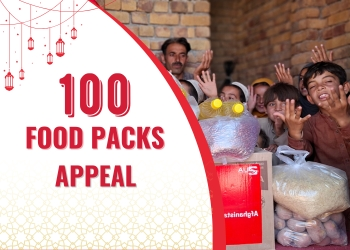
Food packs matter because they provide immediate relief to people facing hunger and food insecurity. These carefully prepared packages often contain rice, flour, oil, lentils, or canned goods, essential staples that ensure families can prepare balanced meals at home.
When distributed during emergencies, such as natural disasters or conflicts, food packs become lifelines. They offer stability and comfort in times of uncertainty, giving families the strength to carry on. The simple act of providing a food pack can restore dignity and hope to those who might otherwise go without a meal.
Food Packs and Community Support
One of the greatest powers of food packs is how they strengthen communities. When families receive this support, they feel connected to a larger network of care, reducing isolation and hardship. Food packs matter because they show that no one is left behind.
Students, volunteers, and charities often come together to prepare and distribute food packs. This teamwork not only ensures people are fed but also nurtures bonds of unity and kindness. In this way, food packs are more than physical items—they are tools of social connection and shared humanity.
Educational Value of Giving
For students, the experience of giving food packs is deeply educational. It teaches lessons about gratitude, social issues, and the importance of helping others. Many schools and universities encourage volunteering in food distribution drives, reminding students that real change begins with small acts.
Food packs matter in education because they show how theory meets practice. Classroom discussions about poverty, inequality, or sustainability become real when students participate in giving. By helping distribute food packs, young people learn that they can make a genuine difference in people’s lives.
A Step Towards Ending Hunger
Hunger remains one of the world’s biggest challenges, and food packs are an effective step in addressing it. While they may not solve global hunger entirely, food packs provide immediate nourishment and prevent families from going without meals. This short-term solution creates room for long-term change.
When paired with educational programmes, skills training, and sustainable development projects, food packs act as the first step towards recovery. They bridge the gap between crisis and stability, ensuring that vulnerable families can survive today while preparing for a better tomorrow. This is why food packs matter so deeply.
The Emotional Power of Giving
Beyond the physical food, food packs carry emotional weight. For recipients, each pack is a reminder that someone cares, someone remembers, and someone values their dignity. The relief of receiving a food pack is often accompanied by hope and renewed courage.
For givers, especially students, the experience is equally transformative. Providing food packs helps them feel purposeful, compassionate, and part of a larger cause. This shared humanity demonstrates why food packs matter; they touch both the heart of the giver and the life of the receiver.
Conclusion: Small Actions, Big Changes
The power of giving lies in its simplicity, and food packs represent one of the most impactful ways to show care. They fight hunger, build communities, educate young people, and create hope for a better future.
For students especially, engaging in food pack initiatives is a chance to learn empathy, practise responsibility, and take meaningful action. Every food pack matters, because behind each one is a story of kindness, survival, and the promise of a brighter tomorrow.